


Hobelmaschinen-Angebote
Add a review FollowOverview
-
Founded Date July 14, 1956
-
Sectors Psychiatrist
-
Posted Jobs 0
-
Viewed 9
Company Description
How Precision Planing Machines Changed Over Time Evolution Of Precision Planing Machines
Precision Planing Machines: The Heart of Woodworking Excellence
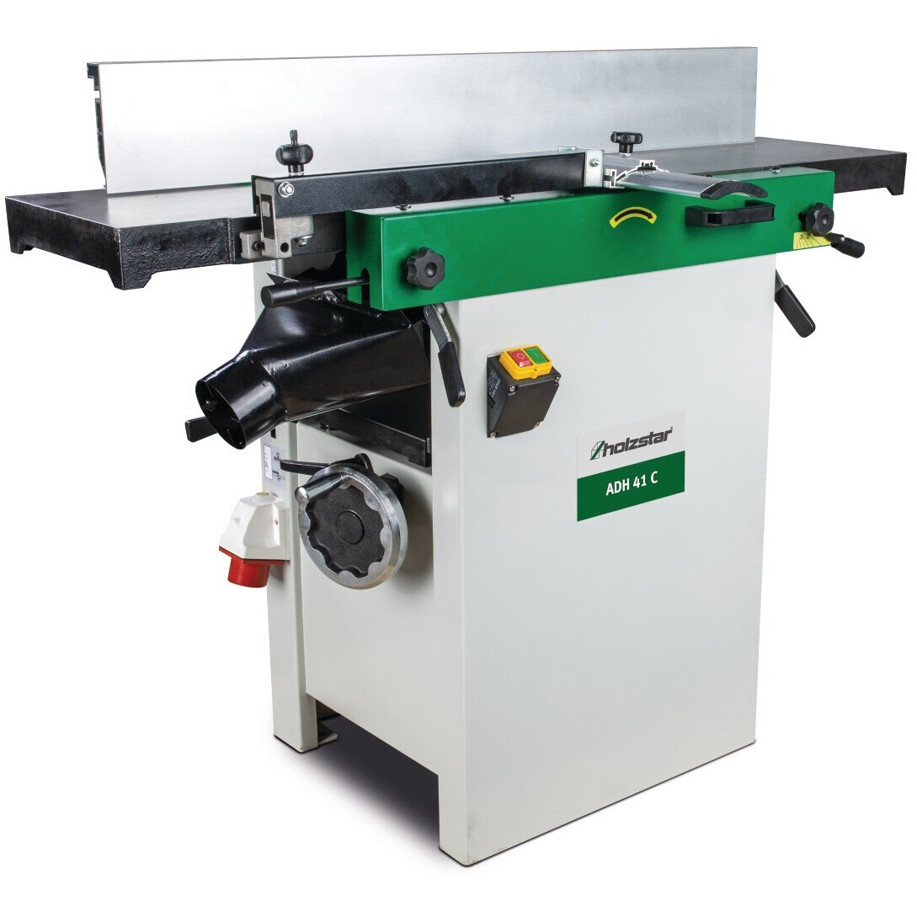
In the world of woodworking and manufacturing, the precision planing maker stands out as a foundation of efficiency and precision. These machines assist transform rough lumber into smooth, GüNstige hobelmaschinen ready-to-use slabs, making them important for any workshop, from little artisan shops to big industrial facilities. This post looks into the numerous elements of precision planing machines, their functions, advantages, selection criteria, and frequently asked concerns.
Comprehending Precision Planing Machines
What is a Precision Planing Machine?
A precision planing device, Hobelmaschinen-Rabatte) commonly understood as a planer, is a power tool developed to shave wood to a defined thickness and create a smooth surface area on the wood’s face or edges. By getting rid of material at controlled depths, these machines ensure harmony and a high level of surface, preparing the wood for further processing, such as sanding or joining.
How Does it Work?
Precision planing machines operate through a series of turning cutter heads geared up with sharp blades. When lumber is fed into the maker, the cutter heads rotate and slice through the wood. The depth of cut can be adapted to manage just how much product is gotten rid of on each pass.
Below is a simplified table summing up the parts of a precision planing machine and their functions.
| Component | Function |
|---|---|
| Cutter Head | Consists of knives or blades that cut and shave the wood. |
| Infeed Table | Where the wood is initially put before going into the machine. |
| Outfeed Table | Receives the completed wood after it has been planed down. |
| Feed Rollers | Help pull the wood through the device at a constant speed. |
| Depth Adjustment | Permits the operator to set the desired density of the ended up wood. |
| Dust Collection | Gets rid of sawdust and debris during the planing procedure. |
Types of Precision Planing Machines
The versatility of planing machines is evidenced by the various types available in the market. Each type serves a special purpose, dealing with different woodworking needs. Below is a list of common types of precision planing machines:
-
Thickness Planers: Focus on creating uniform thickness throughout flat surfaces.
-
Surface Planers: Primarily ravel the surface of rough lumber.
-
Jointer/Planer Combos: Offer both jointing for straight edges and planing for Hobelmaschinen Online Kaufen density in a single device.
-
Portable Planers: Compact and light-weight machines created for Gebrauchte Hobelmaschinen Kaufen on-site projects.
-
CNC Planers: Computer mathematical controlled machines for automated and precise planing, frequently used in big production settings.
Benefits of Using Precision Planing Machines
The precision planing machine possesses numerous advantages, making it a needed addition to any woodworking setup:
-
Quality Finishing: Produces smooth surfaces with fine surfaces, minimizing the requirement for subsequent sanding.
-
Time Efficiency: Quickly processes big quantities of wood, speeding up the workflow.
-
Consistency: Ensures constant thickness across all pieces, a vital consider professional woodworking.
-
Flexibility: Works with a range of wood types and sizes, making it appropriate for different applications.
-
Improved Safety: Modern models come equipped with advanced safety functions, reducing the threat of injury.
Selection Criteria for Precision Planing Machines
Choosing the best precision planing maker can be a daunting job offered the range of choices available. Here are vital requirements to consider when selecting:
-
Material Compatibility: Ensure the machine can manage the kind of wood you prepare to utilize.
-
Cutting Width: Determine the maximum width of lumber you will be processing.
-
Power: Look for machines with sufficient motor power to handle the density of products you plan to plane.
-
Mobility: If mobility is required, consider a lighter, portable choice.
-
Adjustability and Controls: Look for machines that use simple depth change and easy to use controls.
-
Dust Collection System: A good dust collection system is important for keeping a tidy work space and visibility throughout operation.
-
Warranty: Consider the warranty duration and customer support provided by the maker.
Table: Comparison of Different Types of Planing Machines
| Type | Ideal Use | Functions | Price Range |
|---|---|---|---|
| Density Planer | Uniform thickness on lumber | Effective motor, adjustable depth | ₤ 300 – ₤ 3,000 |
| Surface Planer | Smoothing rough lumber | Wide bed, high precision | ₤ 400 – ₤ 4,000 |
| Jointer/Planer Combo | Both jointing and planing | Space-saving style | ₤ 500 – ₤ 5,500 |
| Portable Planer | Jobs on the go | Light-weight, easy to store | ₤ 100 – ₤ 600 |
| CNC Planer | High volume production | Completely automated, highly exact | ₤ 2,000 – ₤ 20,000+ |
FAQ about Precision Planing Machines
-
What is the primary purpose of a precision planing maker?
- It is mostly used to attain consistent density and smooth surfaces on wood.
-
Can I utilize a density planer on rough lumber?
- Yes, density planers are developed to deal with rough lumber, removing material up until the desired thickness and surface are accomplished.
-
What safety features should I try to find?
- Numerous modern machines include resettable breaker, blade guards, and anti-kickback features to improve user safety.
-
How frequently should I replace the blades?
- The frequency of blade replacement depends upon usage. Generally, they must be replaced or honed when you observe a decrease in performance or finish quality.
-
Is a dust collection system essential?
- Yes, a dust collection system is extremely advised for preserving a tidy and safe office.
Precision planing machines play an essential function in workmanship, changing raw wood into completely formed pieces suitable for different applications. With improvements in technology and a large range of readily available models, woodworkers can choose machines customized to their specific requirements, ensuring they attain ideal lead to their projects. Understanding the types and advantages of these machines empowers artisans, hobbyists, and manufacturers alike to elevate their woodworking abilities and effectiveness.