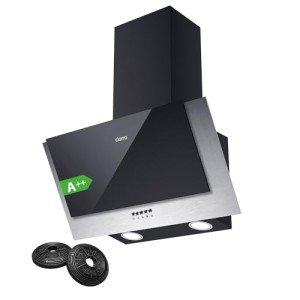

Cooker Extractor
Add a review FollowOverview
-
Founded Date December 5, 1959
-
Sectors Obstetrician & Gynecologist
-
Posted Jobs 0
-
Viewed 10
Company Description
12 Statistics About Cooker Hood To Bring You Up To Speed The Cooler. Cooler
Understanding Kitchen Cooker Hoods: A Comprehensive Guide
In the heart of every home, the kitchen stands as a vital center where meals are prepared, flavors are explored, and memories are produced. Nevertheless, cooking can also include its downsides, such as smoke, steam, grease, and smells that stick around long after the meal is made. Get in the kitchen cooker hood, a device that plays an invaluable role in keeping a clean and pleasant kitchen environment. This short article will explore the numerous types of cooker hoods, their benefits, crucial functions to consider, and common concerns surrounding their usage.
What is a Kitchen Cooker Hood?
A kitchen cooker hood, also referred to as an exhaust hood or range hood, is a device set up above the cooking surface area. Its primary function is to filter and vent contaminants, such as smoke and odors, far from the kitchen. Cooker hoods can make use of different methods to achieve this job, consisting of ducted and ductless systems.
Types of Cooker Hoods
To much better comprehend the alternatives available, here’s a comparative introduction of the different kinds of cooker hoods:
| Type | Description | Pros | Cons |
|---|---|---|---|
| Wall-Mounted | Connected to the wall above the cooking location | Space-saving, trendy styles | Restricted reach for larger cooking locations |
| Under-Cabinet | Set up under kitchen cabinets | Maintains cabinet aesthetic appeal | May be less effective than bigger models |
| Island | Suspended above a kitchen island | Perfect for open-concept areas | Requires ceiling setup |
| Downdraft | Withdraws into the countertop when not in use | Sleek design, conserves overhead space | Generally less powerful |
| Professional | High-performance units for major cooks | Superior ventilation and capacity | More expensive, needs more maintenance |
Benefits of Using a Cooker Hood
Setting up a cooker hood in your Kitchen Hood Extractor Fan uses numerous benefits:
-
Improved Air Quality: Cooker hoods successfully get rid of air-borne grease, smoke, and smells, making sure that the air stays fresh while cooking.
-
Prevention of Mold and Mildew: By decreasing humidity levels generated throughout cooking, hoods assist avoid the growth of mold and mildew.
-
Enhanced Kitchen Aesthetics: With numerous styles offered, cooker hoods can add a touch of modernity and elegance to any kitchen layout.
-
Minimized Buildup of Grease: Regular operation of a cooker hood avoids grease from collecting on kitchen surfaces, making clean-up simpler.
-
Increased Kitchen Safety: By eliminating smoke and potentially hazardous fumes, cooker hoods enhance total safety while cooking.
Key Features to Consider
When selecting a cooker hood for your kitchen, consider the following functions:
-
Suction Power (CFM): The power of a hood is determined in cubic feet per minute (CFM). A higher CFM rating suggests an ability to eliminate smoke and odors quickly. For most kitchens, a series of 300-600 CFM is suitable.
-
Noise Level (Sonnes): Some hoods run louder than others. An unit with lower sones will supply quieter performance. Search for hoods that operate listed below 60 sones for a quieter cooking experience.
-
Purification Type:
- Ducted: Vents contaminated air exterior, requiring ductwork setup.
- Ductless: Cleans the air with filters and recirculates it back into the kitchen, ideal for houses.
-
Design and Size: Consider the space available and the style of the kitchen. The hood ought to line up aesthetically with other kitchen devices and fit easily above the cooktop.
-
Alleviate of Cleaning: Filters need to be cleaned up or replaced frequently; easy-access models make this job less challenging.
-
Lighting: Many cooker hoods are equipped with built-in lights to brighten the cooking surface. Excellent lighting improves exposure while preparing meals.
Frequently Asked Questions (FAQ)
1. How do I identify the right size of a cooker hood for my kitchen?
To determine the best size, the hood ought to preferably be as large as or larger than the cooking surface. Furthermore, consider the height and area available, ensuring it is installed high enough above the stove for safety and proper effectiveness.
2. How typically should I clean up or replace the filters?
It is advised to clean metal filters every month and replace them every few months, depending on usage. Charcoal filters in ductless models might need replacement every 3-6 months.
3. Can I use my cooker hood without ductwork?
Yes, ductless cooker hoods work without substantial ductwork. They filter the air before sending it back into the kitchen. However, ducted options are normally more reliable for aerating the kitchen.
4. Are all cooker hoods loud?
Not all Cooker Hood Extractor Fan hoods are noisy. The sound levels differ by model, with some being more efficient and quieter than others. Constantly examine the sones ranking to discover a quieter alternative.
5. Is it necessary to have a cooker hood?
While not obligatory, a cooker hood is highly advised for decreasing indoor air toxins, improving ventilation, and keeping a cleaner kitchen environment.
Cooking is an art form that deserves the right environment. A kitchen cooker Extractor Fan Hood is not just a home appliance; it is an essential tool for promoting safety, cleanliness, and convenience while cooking. By soaking up unpleasant odors, wetness, and air-borne particles, a cooker hood produces a delightful atmosphere where cooking adventures can prosper. When selecting the right cooker hood, consider your kitchen’s layout, your cooking habits, and the range of functions readily available to discover the best match. By buying a quality cooker hood, house owners can elevate their cooking experience while guaranteeing a cleaner and more secure kitchen.