


Hobelmaschinen-Marktplatz
Add a review FollowOverview
-
Founded Date September 16, 2025
-
Sectors Family Physician
-
Posted Jobs 0
-
Viewed 21
Company Description
You’ll Never Be Able To Figure Out This Woodworking Planing Machines’s Tricks
An In-Depth Look at Woodworking Planing Machines
Woodworking is an art that needs precision, ability, and the right tools. Among the important machinery in any woodshop is the woodworking planing device. These machines play a significant role in shaping, flattening, and completing wood surface areas, making sure that completion item is smooth, even, and prepared for further procedures or projects. This post dives into the complexities of woodworking planing machines, covering their performance, types, upkeep, and common FAQs.
Understanding Woodworking Planing Machines
What is a Planing Machine?
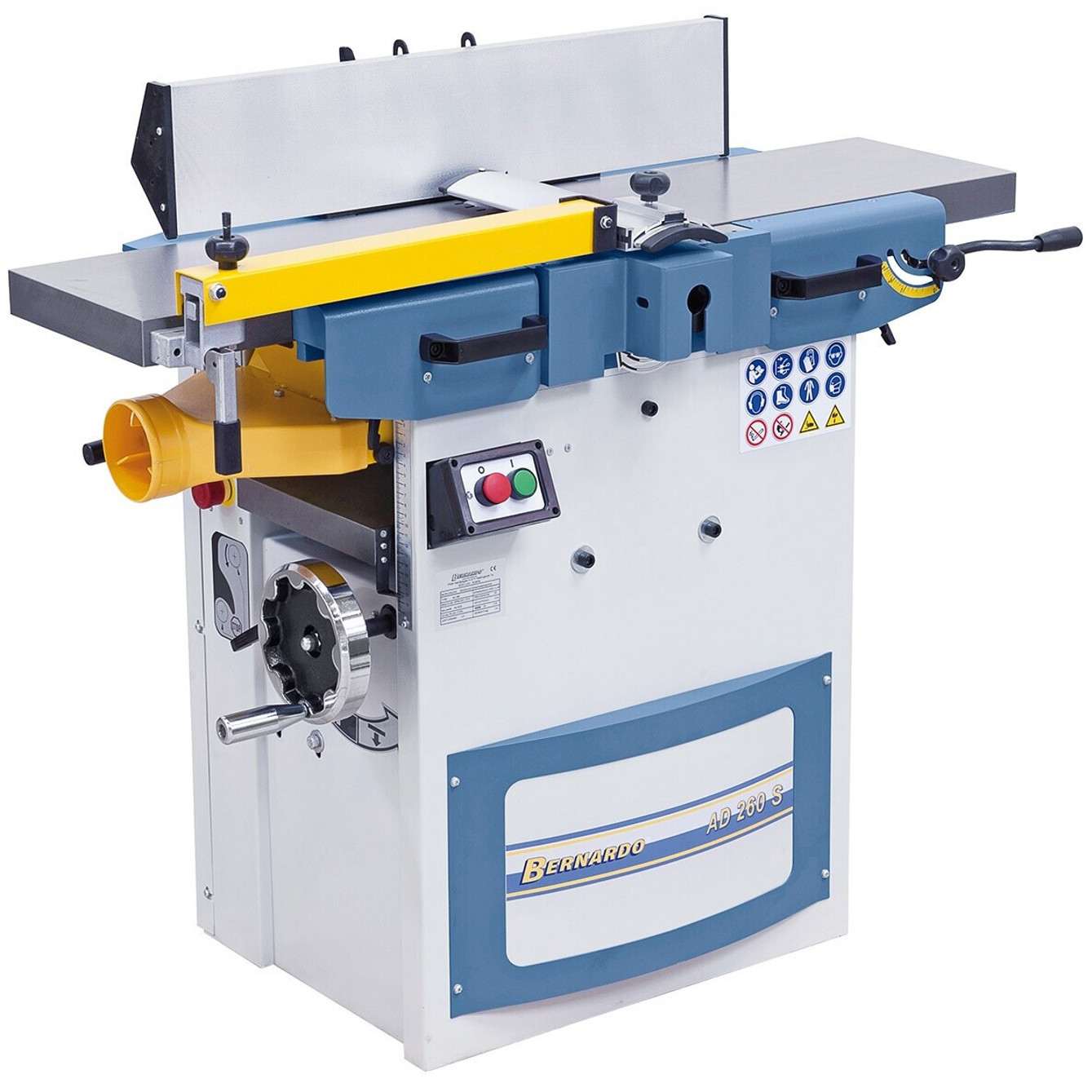
A woodworking planing maker, frequently called a planer, is a gadget that smooths and reduces the thickness of wood boards. It gets rid of a percentage of product from the surface area of the wood, resulting in an even and flat surface area. This device is essential for both specialists and hobbyists in producing furniture, cabinets, and other wood structures.
How Do Planing Machines Work?
The main function of a planer is to use rotating knives or blades to slash off the wood surface area. As the wood travels through the machine, these blades cut the material to attain the preferred density. The process not just improves the looks of the piece but likewise prepares the wood for subsequent treatments such as sanding or finishing.
Types of Woodworking Planing Machines
Comprehending the different kinds of planing machines readily available can help in making a notified purchasing decision. Below is a breakdown of the common types:
| Type of Planing Machine | Description | Use Case |
|---|---|---|
| Surface Planer | A machine developed to flatten one face of a board while edge joining. | Perfect for preparing rough lumber for furniture making. |
| Density Planer | Particularly developed to lower the density of the wood to a desired measurement. | Perfect for resizing thicker wood to consistent thickness. |
| Jointer/Planer | Combines both thickness planing and taking part one device. | Extremely versatile, ideal for little workshops. |
| Portable Planer | A light-weight, portable planer developed for mobility. | Best for on-site adjustments and less intensive projects. |
Key Features to Consider
When picking a woodworking planer, a number of functions should be taken into consideration:
- Table Size: A larger table can support longer boards, minimizing the risk of snipe (a defect triggered by the material being lifted at the feed point).
- Cutter Head Speed: A faster cutter head speed results in a smoother finish but might increase sound.
- Motor Power: More powerful motors can deal with harder woods and produce thicker cuts.
- Dust Collection System: An efficient dust collection system keeps the workspace tidy and is essential for health and safety.
- Adjustable Depth Settings: This enables the user to control just how much material is gotten rid of with each pass, using adaptability in use.
Upkeep Tips for Woodworking Planing Machines
Maintaining a woodworking planing machine is vital for its durability and optimum performance. Here are some important maintenance ideas:
- Regular Cleaning: Remove wood chips and dust after each use. This prevents accumulation which can cause mechanical problems.
- Blade Inspection and Sharpening: Inspect blades regularly for wear and sharpen or replace them as needed to ensure quality finishes.
- Lubrication of Moving Parts: Lubricate bearings, gears, and any other moving components according to the producer’s directions.
- Inspect Alignment: Regularly inspect that the tables are level and lined up to prevent irregular cuts.
- Examination of Electrical Components: Ensure that all circuitry and electrical parts are in good condition to prevent electrical dangers.
Woodworking planing machines are important tools in any woodshop, supplying precision and performance in forming wood. As woodworking continues to grow in appeal, understanding the various types of planers together with their upkeep will empower both amateur and professional woodworkers alike. Whether you are seeking to purchase a brand-new maker or boost your existing toolkit, making sure that you select the best devices customized to your requirements can significantly improve your woodworking outcomes.
FAQs About Woodworking Planing Machines
1. What is the difference in between a surface area planer and a thickness planer?
A surface area planer is used to flatten one side of the wood and guarantee that the edges are square, while a density planer is designed particularly for reducing the density of wood to a consistent size.
2. How do I prevent snipe when using a planer?
To minimize snipe, make sure that your boards are properly supported at both the infeed and outfeed ends of the planer. In addition, taking lighter cuts can help in reducing the opportunity of snipe.
3. Are more expensive planers worth the investment?
While more expensive planers frequently include more functions, better construct quality, and higher resilience, it eventually depends on your woodworking needs. For regular, durable usage, buying a higher-end design can save money in the long run.
4. How often should I change the blades on my planer?
The frequency of blade replacement depends upon the quantity and type of wood being planed. As a basic guideline, check the blades after every few hours of usage and replace them when they reveal signs of dullness.
5. Can I utilize my planer for woods?
Yes, most modern woodworking planers are created to manage hardwoods. Always examine the requirements of your specific design to ensure it can manage the kind of wood you are working with.
By comprehending the significance of woodworking planing machines and how to look after them, woodworkers can significantly boost their performance and the quality of their projects.